
Imbolc and The Goddess Brigid. Embracing Celtic Traditions and Symbolism
Written by Sophie Gavin

Imbolc: The First Stirring of Spring
Imbolc is a significant festival in the Celtic calendar, marking the midpoint between the winter solstice and the spring equinox. Celebrated on February 1st or 2nd, it is a time of renewal, hope, and the quiet awakening of nature.
As the land begins to stir after winter, Imbolc reminds us of returning light, fresh beginnings, and the promise of growth waiting beneath the surface.
Imbolc and the Celtic Calendar
Imbolc, also known as the day of Goddess Brigid, holds a special place in the Celtic calendar. Brigid is a prominent figure in Celtic mythology, associated with poetry, healing, smithcraft, fertility, fire, water, and inspiration.
In the context of Imbolc, Brigid symbolises the returning warmth and light of spring, and the earth as it begins to awaken after the winter months. Her influence can be felt in the lengthening days, the first signs of new growth, and the energy of purification and renewal.
Goddess Brigid: Fire, Healing, and Creativity
Brigid is celebrated for compassion, creativity, inspiration, protection, and healing. She is remembered as a storyteller, healer, and blacksmith, carrying both gentleness and strength within her mythology.
Her association with poetry and inspiration is reflected in the creative spirit of Imbolc. Brigid’s Day is a time to honour her legacy through storytelling, poetry, making, ritual, and other forms of artistic expression.
Miracles and Legends
Numerous miracles and legends are associated with Brigid. One well-known story tells of her turning water into ale at a feast, emphasising her hospitality and generosity. Another speaks of a miraculous cloak that expanded to cover an entire field, symbolising compassion, care, and protection for those in need.
Crafting Brigid’s Cross
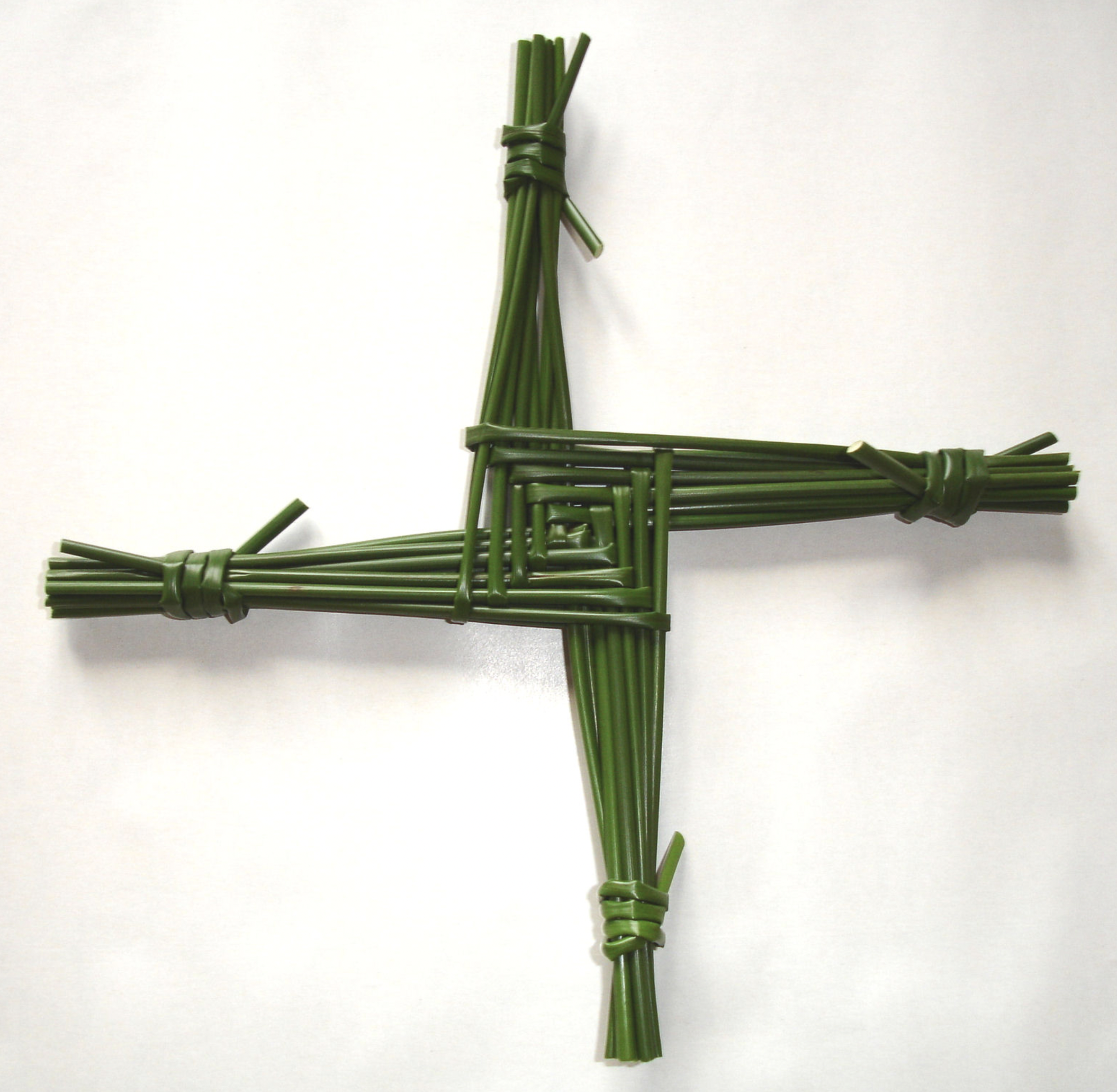
One of the most cherished traditions associated with Brigid’s Day is the crafting of Brigid’s Cross. Traditionally woven from rushes or straw, this symbol is believed to protect the home from harm.
The cross is intricately woven, symbolising the interconnection of life and nature. Engaging in this craft helps preserve a centuries-old tradition while connecting us to the spiritual and artistic elements of Celtic culture.
Celtic Symbolism in Brigid’s Cross
The making of Brigid’s Cross is steeped in Celtic symbolism. The four arms of the cross are often connected with the four seasons or the Celtic elements of earth, air, fire, and water.
The circle at the centre can be read as the sun or the eternal cycle of life. As the cross is woven, intentions of protection, abundance, and harmony are carried into the creation. Displaying a Brigid’s Cross in the home is believed to bring blessings and safeguard against adversity.
Imbolc and Brigid offer a meaningful opportunity to reconnect with Celtic traditions and embrace the cyclical nature of life. It is a time to acknowledge the shift from the darkness of winter to the promise of renewed life in the approaching spring.
As the first of the four Celtic fire festivals, Imbolc symbolises the rekindling of the earth and the promise of warmer days ahead. As we celebrate the emergence of spring, we honour Celtic heritage and the enduring legacy of Brigid, finding inspiration in the interconnectedness of nature and the symbolism woven through Brigid’s Cross.
